Cracking the Adobe Engineering Interview
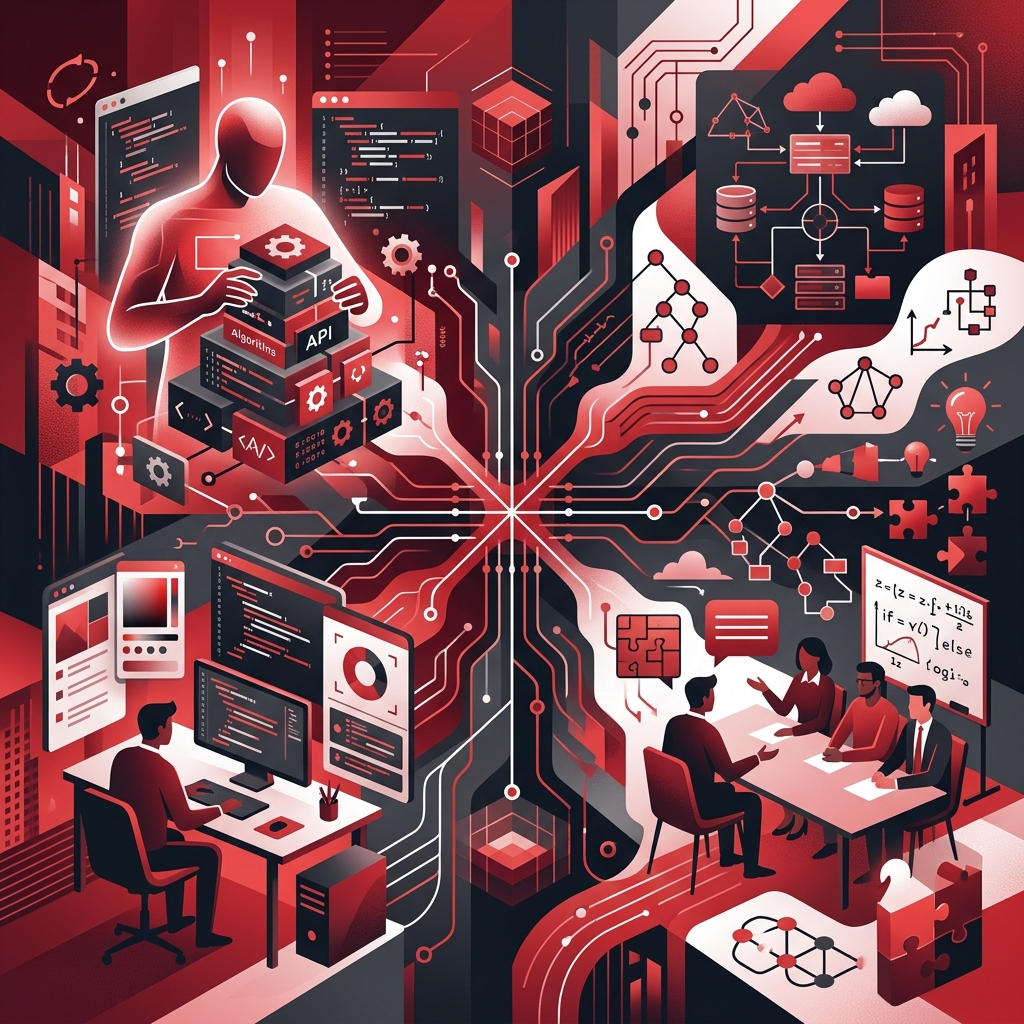
Cracking the Adobe Engineering Interview: A Complete Guide
Adobe is a powerhouse in the creative software and digital marketing spaces. With flagship products like Photoshop, Premiere Pro, and the Adobe Experience Cloud, they hire engineers across a vast spectrum of domains—from low-level graphics rendering (C++) to highly scalable cloud backend systems (Java/Python).
While Adobe does not always receive the same hype as the FAANG companies, they offer incredibly competitive compensation, a famously excellent work-life balance, and deeply complex technical challenges.
In this comprehensive 2,000+ word guide, we will break down the Adobe interview process, what they look for in technical rounds, and how to prepare for their specific coding and architecture questions.
1. The Adobe Hiring Process
Adobe's interview process is methodical and generally heavily focused on fundamental computer science concepts.
Step 1: The Online Assessment (OA) or Phone Screen
Depending on your level and how you applied, you will either receive an automated HackerRank test or jump straight to a recruiter screen.
- The OA: Typically consists of 2-3 algorithmic problems focusing on Arrays, Strings, and basic Dynamic Programming.
Step 2: Technical Phone Interview (1-2 Rounds)
A 45-60 minute interview with an Adobe engineer.
- Format: You will use an online editor. Adobe places a heavy emphasis on your ability to explain your thought process.
- Content: The questions are usually LeetCode Mediums. Expect to be grilled on the Time and Space Complexity of your solution. They want to ensure you are not just memorizing answers but actually understand the underlying math.
Step 3: The Virtual Onsite Loop
The onsite consists of 4 to 5 interviews, each lasting about 45-60 minutes.
- 2x Coding / Algorithmic Problem Solving: Standard Data Structures and Algorithms rounds.
- 1x Object-Oriented Design (OOD) or System Design: OOD for junior/mid-level, System Design for senior roles.
- 1x Deep Dive / Domain Expertise: A deep dive into your resume and the specific tech stack of the team (e.g., C++ memory management, or cloud microservices).
- 1x Behavioral / Hiring Manager: Assessing cultural fit, past projects, and teamwork.
2. Technical Focus Areas
Adobe's legacy products are built on massive C++ codebases, while their modern cloud products rely heavily on Java, Node.js, and Python. Your technical rounds will be tailored to the team.
Data Structures & Algorithms
Adobe interviewers love classic computer science problems. You must be comfortable with:
- Linked Lists and Trees: Operations on Binary Search Trees (BST), finding the Lowest Common Ancestor, and balancing trees.
- Dynamic Programming (DP): Adobe asks more DP questions than Microsoft but slightly fewer than Google. Brush up on the Knapsack problem, Longest Common Subsequence, and matrix pathfinding.
- Bit Manipulation: Especially if you are interviewing for a role on a core product like Premiere or Photoshop, expect questions that require optimizing memory using bitwise operators (
&,|,^,<<).
C++ and Systems Level Knowledge
If you are applying for the Creative Cloud desktop teams, you must be an expert in C++.
- Expect deep questions on pointers, references, smart pointers (
std::unique_ptr,std::shared_ptr), memory leaks, virtual functions, and the vtable. - You may be asked to implement basic data structures from scratch (e.g., "Implement a thread-safe Queue in C++").
Object-Oriented Design (OOD)
Adobe writes complex, sprawling applications. They care deeply about maintainability.
- You will likely be asked to design a localized system using classes and interfaces. (e.g., "Design an image editing tool with Undo/Redo functionality").
- Hint: The "Undo/Redo" functionality is a classic prompt to test if you know the Command Pattern.
3. Cultural Fit and Behavioral Rounds
Adobe is consistently ranked as one of the best places to work due to its supportive culture and strong work-life balance. They look for collaborative, ego-free engineers.
Core Traits Adobe Values:
- Genuine Curiosity: Adobe wants engineers who are passionate about learning. They often ask, "What is a technical topic you've learned recently just for fun?"
- Collaboration: Be prepared to discuss how you mentor junior engineers, how you handle code review disputes, and how you work with Product Managers and Designers.
- Customer Focus: The creative professionals who use Adobe products rely on them for their livelihood. If a feature crashes, a user loses hours of work. You must demonstrate a commitment to code quality and testing.
Use the STAR method (Situation, Task, Action, Result) to answer behavioral questions, ensuring you highlight your collaborative nature and attention to detail.
Conclusion
Interviewing at Adobe is a fantastic opportunity to secure a role at a company that values engineering excellence without the burnout culture often associated with FAANG.
To succeed, you must have a rock-solid grasp of core computer science fundamentals (especially Trees, DP, and OOD), understand the specific nuances of your programming language (like C++ memory management), and demonstrate a collaborative, humble attitude. Practice your algorithms, use InterviPrep AI to simulate the OOD rounds, and you will be well-positioned to ace the Adobe loop.